Modern buildings need more than attractive architecture. They need convenient, reliable and thoughtfully designed vertical transportation. Whether you are constructing a new home, developing a commercial property or upgrading an existing building, choosing the right elevator can improve accessibility, convenience and the overall building experience.
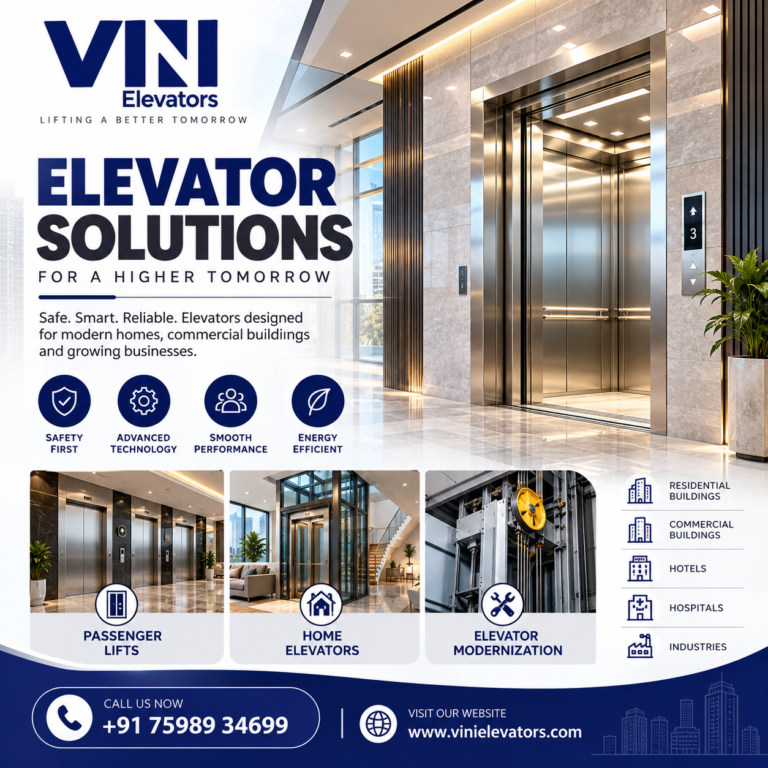
VINI Elevators provides elevator solutions for modern building requirements, including passenger lifts, home elevators and elevator modernization.
Why Are Modern Elevator Solutions Important?
Elevators help people move comfortably between floors and make multi-storey buildings more accessible. They are particularly valuable in apartments, villas, offices, hotels, hospitals and commercial complexes.
When selecting an elevator, building owners and developers should consider passenger capacity, travel height, available space, expected usage, accessibility requirements and long-term maintenance.
Choosing a suitable elevator during the planning stage can help avoid unnecessary design changes later.
1. Passenger Lifts for Residential and Commercial Buildings
Passenger lifts are commonly used in apartment complexes, office buildings, shopping centres, hotels and other multi-storey properties.
A suitable passenger lift should be selected according to the building’s layout, expected passenger traffic and operational requirements.
Important considerations include:
- Passenger capacity and elevator dimensions
- Number of floors and travel distance
- Door opening and closing performance
- Accessibility and user convenience
- Safety features and maintenance requirements
Builders, architects and property developers should discuss these requirements with an experienced elevator provider before finalising their building plans.
2. Home Elevators for Modern Living
Home elevators are becoming an important consideration in multi-storey houses, duplex homes and villas where convenience and accessibility matter.
A residential elevator can make everyday movement between floors easier for families, older adults and people who have difficulty using stairs.
Before installing a home elevator, homeowners should evaluate:
- Available shaft or installation space
- Number of floors to be connected
- Required passenger capacity
- Design and interior preferences
- Electrical requirements
- Installation, servicing and safety considerations
The best home elevator is one that suits the building’s design and the family’s practical needs.
3. Elevator Modernization for Existing Buildings
Older elevators may require upgrades as components age, building usage changes or newer safety and performance expectations emerge.
Elevator modernization involves assessing an existing system and determining which components or controls may need improvement. Depending on the condition of the elevator, this could involve controller upgrades, door-system improvements, drive-system updates or other suitable modifications.
Potential benefits include:
- Improved operating performance
- Better reliability when appropriately upgraded
- Updated control technology
- Opportunities to improve energy efficiency
- A more comfortable passenger experience
Every elevator is different. A qualified technical assessment is essential to determine the appropriate modernization scope and whether partial upgrades or a larger replacement project is more suitable.
4. Elevator Safety and Regular Maintenance
Safety should always be a priority when installing and operating an elevator.
Regular servicing and appropriate inspections can help identify developing faults, assess equipment condition and support reliable operation. Building owners should maintain service records and arrange necessary repairs through competent professionals.
Important practices include:
- Scheduling maintenance according to the equipment and applicable requirements
- Checking doors, controls and other safety-related components
- Responding promptly to reported faults
- Keeping inspection and service documentation
- Ensuring emergency procedures are established
- Following applicable local lift regulations and relevant Indian standards
Elevator servicing does not replace any separate statutory examination or inspection that may be required. Owners should confirm the applicable requirements for their location.
5. How to Choose the Right Elevator for Your Building
Selecting an elevator requires more than comparing prices. The right solution depends on how the building will be used and what its occupants need.
For apartment buildings: Consider passenger traffic, capacity, waiting times and the number of floors.
For villas and duplex homes: Evaluate available space, accessibility, design preferences and household requirements.
For offices and commercial buildings: Assess peak-hour traffic, expected usage, operating reliability and maintenance planning.
For hospitals and healthcare facilities: Consider the specific requirements for patient movement, stretchers, equipment and applicable healthcare-building regulations.
For existing buildings: Review the current elevator’s condition, service history and modernization possibilities before deciding on upgrades.
Obtaining a site assessment and a detailed quotation can help clarify the technical requirements before work begins.
6. Modern Elevator Technology and Building Efficiency
Elevator technology continues to develop, with improvements in controls, drive systems, monitoring capabilities and energy management.
Depending on the selected system, modern features may help improve operational efficiency, passenger comfort and the management of building traffic.
However, not every feature is suitable for every property. Building owners should compare technical specifications, installation requirements, maintenance needs and lifecycle costs before making a decision.
Why Consider VINI Elevators?
When planning an elevator installation or upgrade, it is important to work with a provider that understands the project’s practical requirements.
VINI Elevators offers a point of contact for customers exploring passenger lifts, home elevators and elevator modernization.
Whether you are planning a new building or evaluating an existing elevator, discuss your requirements to identify a suitable solution.
Contact VINI Elevators to learn more about the available options for your project.
Frequently Asked Questions
Which elevator is suitable for a residential building?
The choice depends on the building’s height, passenger demand, available space, budget and applicable regulations. Apartments and private homes may require different types of elevators.
Can an elevator be installed in an existing building?
In many cases, it may be possible, but feasibility depends on the building structure, available space, access, engineering requirements and local approvals. A site assessment is recommended.
How often should an elevator be maintained?
Maintenance frequency depends on the equipment, usage, manufacturer recommendations and applicable regulations. Follow the maintenance schedule specified by the qualified service provider and meet all mandatory inspection requirements.
What is elevator modernization?
Elevator modernization means upgrading selected systems or components of an existing elevator to address its condition, performance, reliability or changing requirements.
How can I enquire about elevator solutions?
Contact VINI Elevators using the details below to discuss your building type, number of floors and elevator requirements.
Contact VINI Elevators
Looking for passenger lifts, home elevators or elevator modernization?
VINI Elevators India Private Limited
Phone: +91 75989 34699
Website: https://www.vinielevators.com
Contact us to discuss your project requirements and explore suitable elevator solutions.
Choose the right elevator solution for a more accessible and convenient building experience.